
The power of cooperation between education, government and industry in green chemistry
By b2design
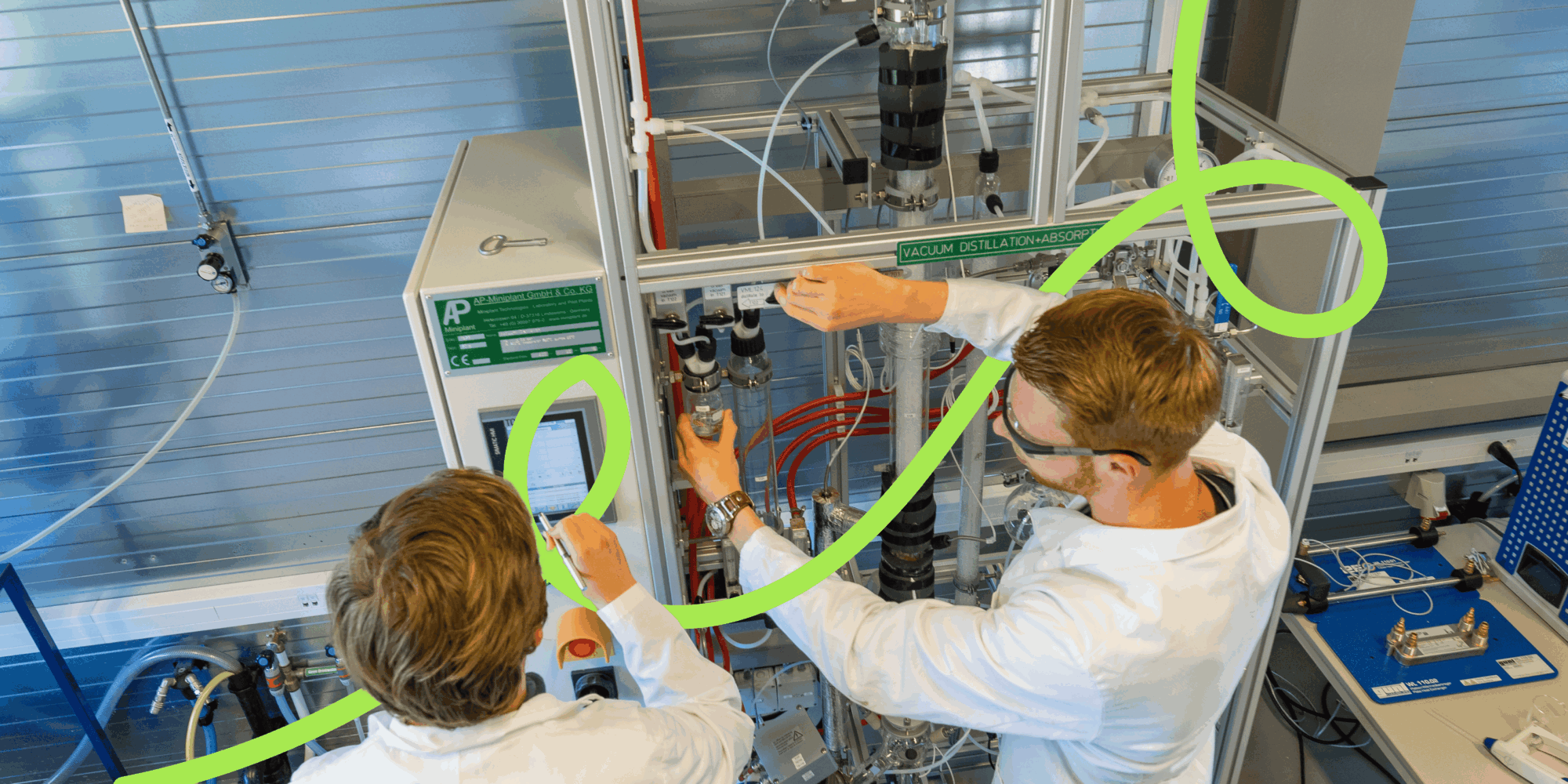

The green chemical industry in the northern Netherlands is on the eve of major changes. While the sector is developing into the engine of the sustainable transition, a lack of sufficient and suitable personnel threatens to inhibit growth. How do we ensure that sufficient talent is available to future-proof this important industry? To answer this question, we commissioned a comprehensive gap analysis last year. In this blog, we discuss how strategic collaborations contribute to a future-proof green chemistry sector.
The transition to a sustainable economy requires innovation, decisiveness and cooperation. In the Northern Netherlands, the green chemical industry should play a key role in this transition. But to obtain this position, close cooperation between education, government and industry is essential. Only by working together on long-term strategies and aligned curricula can we tackle tomorrow’s challenges.
Why strategic collaboration is crucial
The green chemical industry is characterised by rapid technological developments and a growing demand for skilled professionals. However, current educational provision does not always seamlessly match industry needs. This can create a mismatch between the type of talent companies are looking for and the type of talent available.
The challenge
Although cooperation between education, government and industry is already taking place in the northern Netherlands, the focus is often on short-term projects. However, strategic, long-term collaborations are needed to realise structural changes, such as:
A strategic approach
To be successful, collaborations need to go beyond project-based work. It requires vision, commitment and a shared goal. By organising partnerships that work at both regional and cross-sector level, we can strengthen the green chemical sector.
How education and industry can work better together
Education is the breeding ground for tomorrow’s specialists and innovators. But how can businesses and educational institutions work together more effectively?
Inspiring examples: Greenwise Campus and Seaports Academy
The northern Netherlands already has some successful partnerships that can serve as examples for the rest of the sector.
Located in Emmen, the Greenwise Campus brings together education, businesses and governments to work on sustainable solutions. The campus focuses on training talents and strengthening regional innovation power. Here, students, researchers and companies work together on projects in the field of green chemistry and circular economy. The success of the Greenwise Campus shows how a joint approach leads to better connections between theory and practice.
The Seaports Academy, initiated by Groningen Seaports, combines education and research with practical experience. The focus is on themes such as energy transition, hydrogen and digitalisation. Through intensive supervision of trainees and cooperation with MBO, HBO and WO institutions, the Seaports Academy plays a crucial role in training the next generation of technicians and innovators.
Such initiatives show how cooperation at local level can help solve global challenges.
The role of policymakers and businesses
While educational institutions play an important role in training talent, policymakers and companies can create the framework conditions needed for successful collaborations.
Working together for the future
The green chemical industry offers huge opportunities for the northern Netherlands, but only by working together can we fully exploit these opportunities. Strengthening strategic partnerships between education, government and industry is essential in this respect.
Call to the sector
Let’s invest in a sustainable future together. By sharing knowledge, training talent and building long-term partnerships, we will make the Northern Netherlands a leading region in the green chemical industry. The future is green, innovative and above all: together.